SpyBubble
- Jailbreak/rooting required – No
- Free trial – No
- Refund Policy – 14 days
- Read all text messages
- SIM card alerts
- Recording browser activity
- Spy on photos and videos
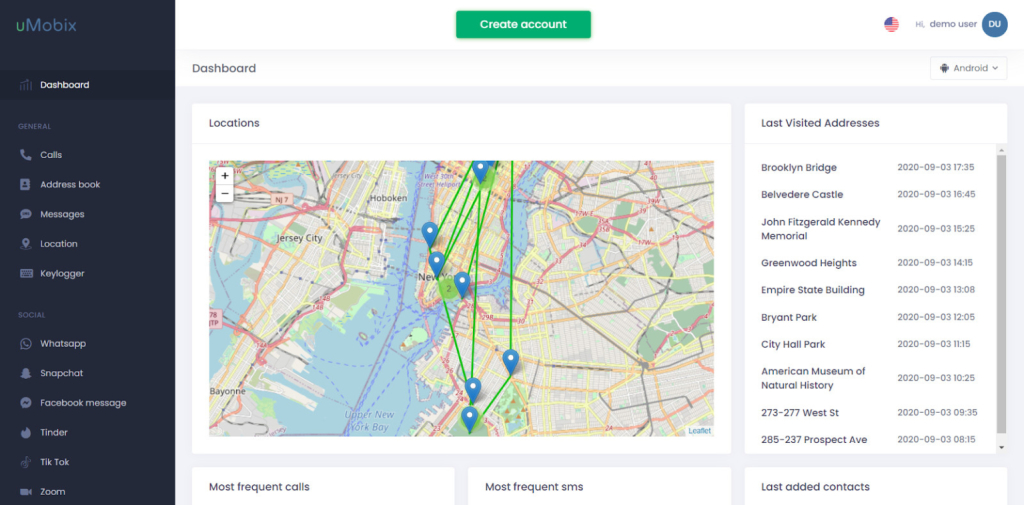
SpyBubble has gained tremendous popularity worldwide, especially among concerned parents. It offers features like viewing deleted messages, location history, monitoring incoming and outgoing calls, and more. It also allows you to monitor internet history, social media platforms, and other cell phone activity.
The company frequently offers discounts, so snatch a license as soon as possible. The number of features this tool provides is impressive. It also offers certain advanced features, such as completely controlling Facebook and Instagram on iOS.
Try nowSpynger
- User-friendly interface
- Compatible with many devices
- Real-time location tracking
- No need for direct access to the device
- Easy set-up
- Invisible mode
- 24/7 customer support
- End-to-end encryption
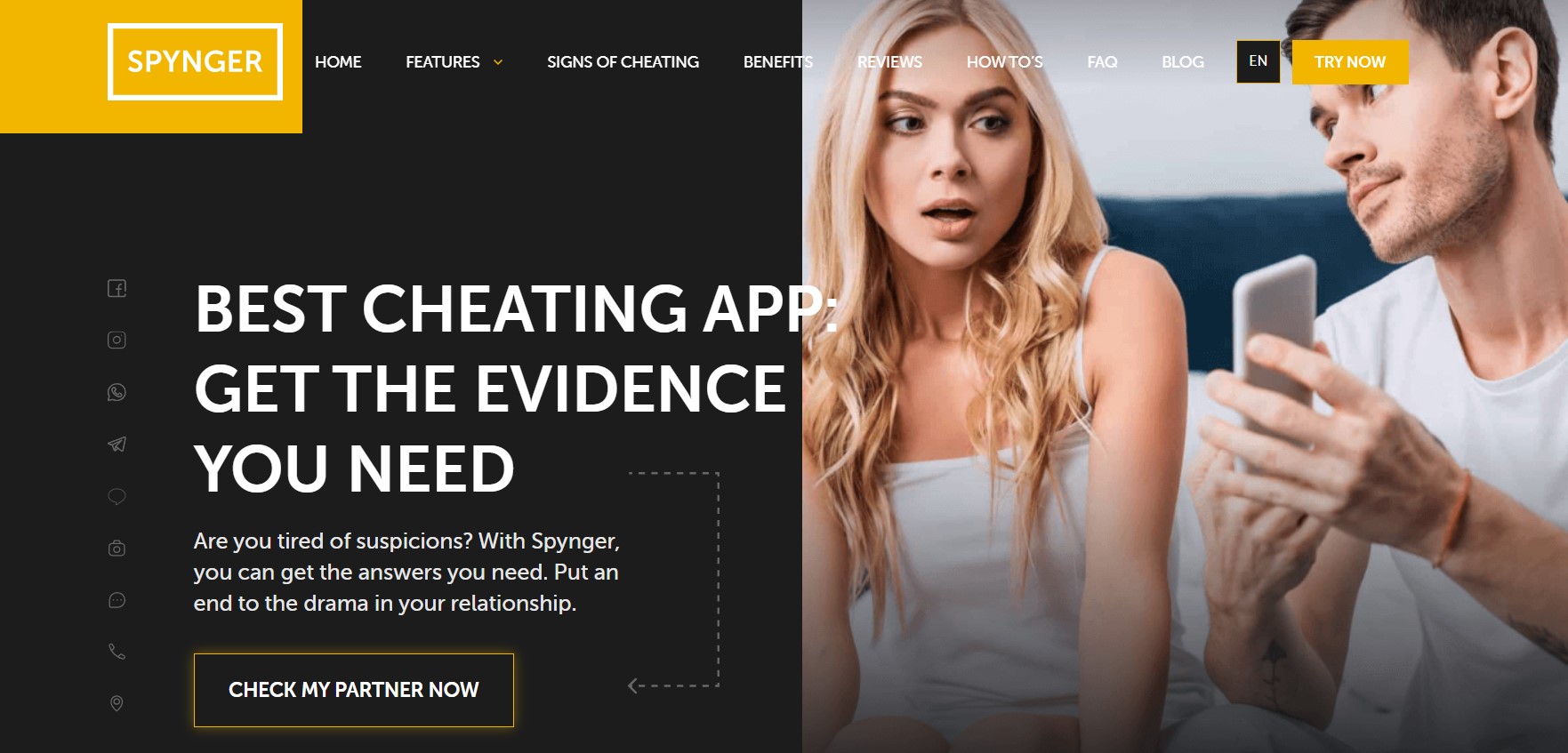
Spynger stands out as a top-tier spy app, boasting an impressive array of features that set it apart in today’s market. Its cutting-edge tracking capabilities enable real-time monitoring of text messages, calls, emails, GPS locations, and more.
The inclusion of comprehensive reports ensures no crucial information escapes your attention. Moreover, Spynger’s user-friendly design and intuitive interface make it effortlessly accessible for all users.
Try nowmSpy
- Jailbreak/rooting required – No
- Free trial – Yes, 7 days
- Refund policy – 14 days
- Keystroke logger
- Monitoring of deleted text messages
- Blocking functions, calls restriction
- Satellite address locator & GPS tracking, Geo-Fencing
- Wi-Fi monitoring
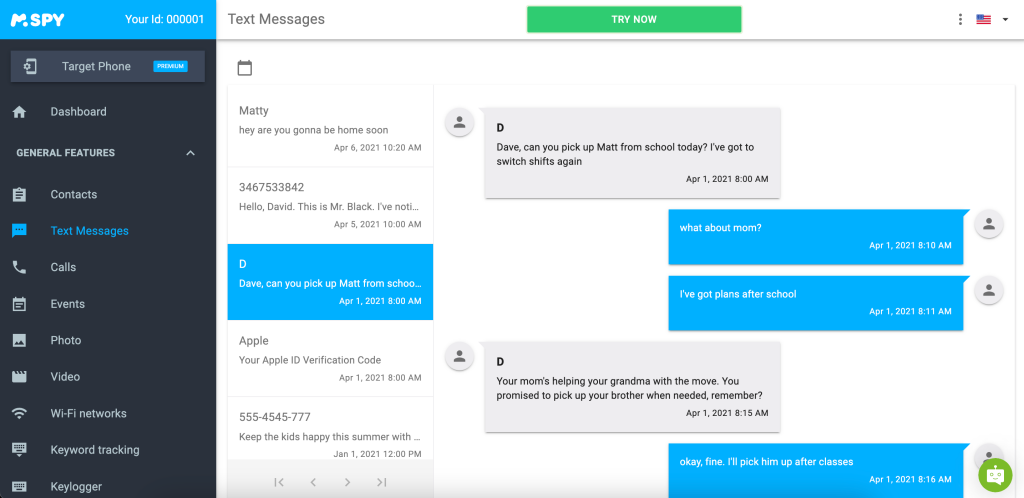
mSpy seems to be the best cell phone tracker app, preferred by most people over the years. That is due to its functionality. This app offers over 20 attractive, handy features and 24/7 multi-language customer support. You can use it to spy on Facebook and even access someone’s WhatsApp messages.
It is the perfect cell phone spy app without access to the target phone – the most suitable solution for parents, professionals, and individuals who want to monitor target devices remotely. mSpy remains completely invisible on the target device and allows you to monitor social media platforms like Facebook messenger, GPS locations, browser history, and more.
This tracking software works regardless of the cellular carrier network or the real-time location of the target device and is compatible with all carriers. For more information, check out our full review.
Try nowScannero
- Jailbreak/Rooting required – No
- Free Trial – 24 hours at $0.89
- Refund Policy – 14 days
Pros:
- Locate anyone by entering their number
- No app required
- Works on all phone types
- Works on old phones
- Can create custom messages
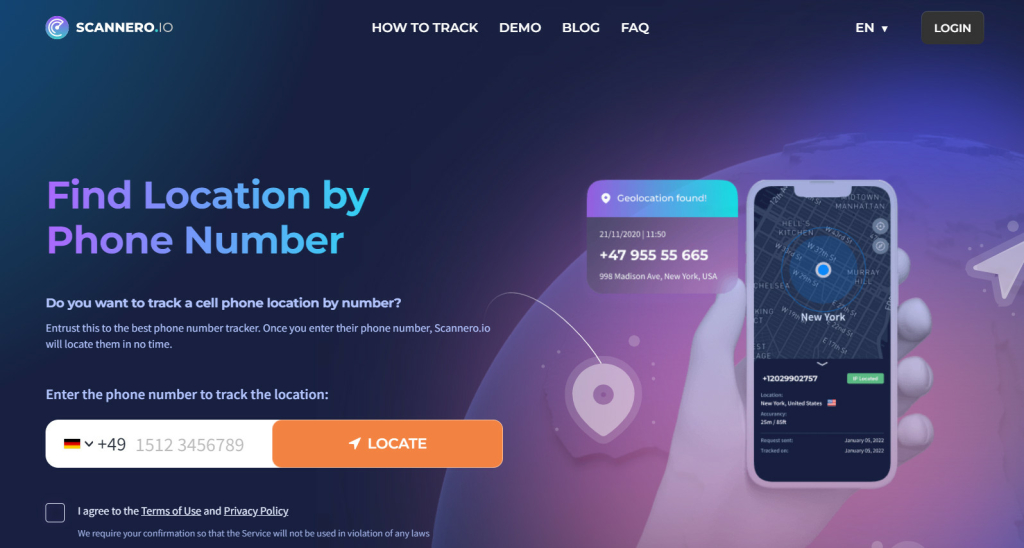
Scannero is a service that makes it possible to locate any cell phone by its phone number. With the help of Scannero, you can find a location using the cell phone number of another person. It is a simple solution that anyone can nail. You only need to copy the target person’s cell phone number to the respective field on the Scannero website and wait until the tool finds the location.
Scannero’s GPS location tracking works on all phones, including Android and iOS, and innovative and feature phones.
Try nowGeofinder
- Jailbreak/Rooting required – No
- Free Trial – 48 hours at $1
- Refund policy – 14 days
Pros:
- Locate anyone by entering their number
- No installation required
- Works in under a minute
- Allows you to create custom messages
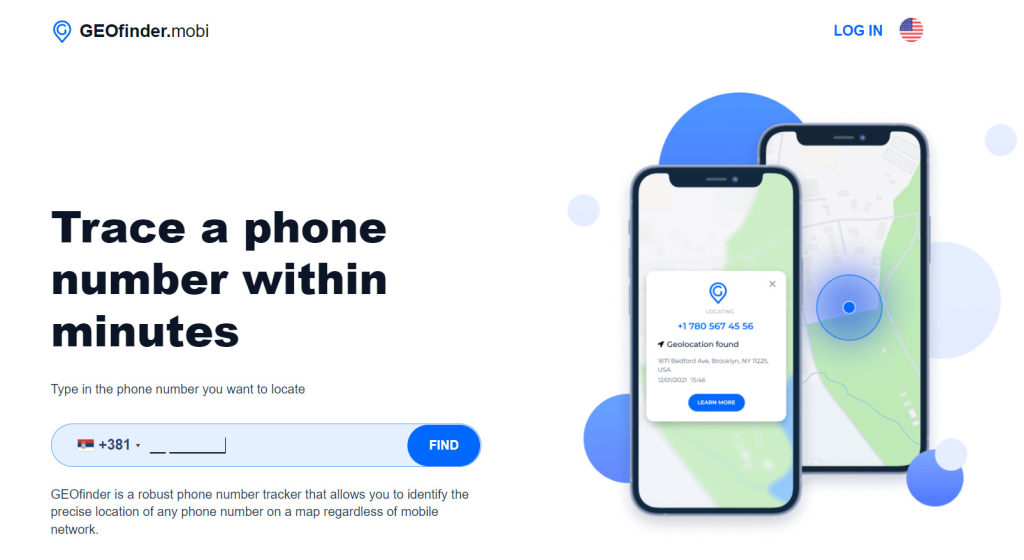
Geofinder is a handy tool that you can use to track GPS locations without any installation, and the only thing this GPS location tracker needs is the target’s phone number. All you need to do is create an account on the GeoFinder website, enter the target’s phone number, edit the default SMS if you’d like to, and hit Send.
Once the target clicks the link to the message, GeoFinder shows you their exact location. This tool works equally well on both Android and iOS mobile devices.
Try noweyeZy
- Jailbreak/rooting required – No
- Free trial – No
- Refund policy – 14 days
Pros:
- Track social media
- Monitoring of deleted text messages
- Screen recorder
- Geofencing
- Wi-Fi monitoring
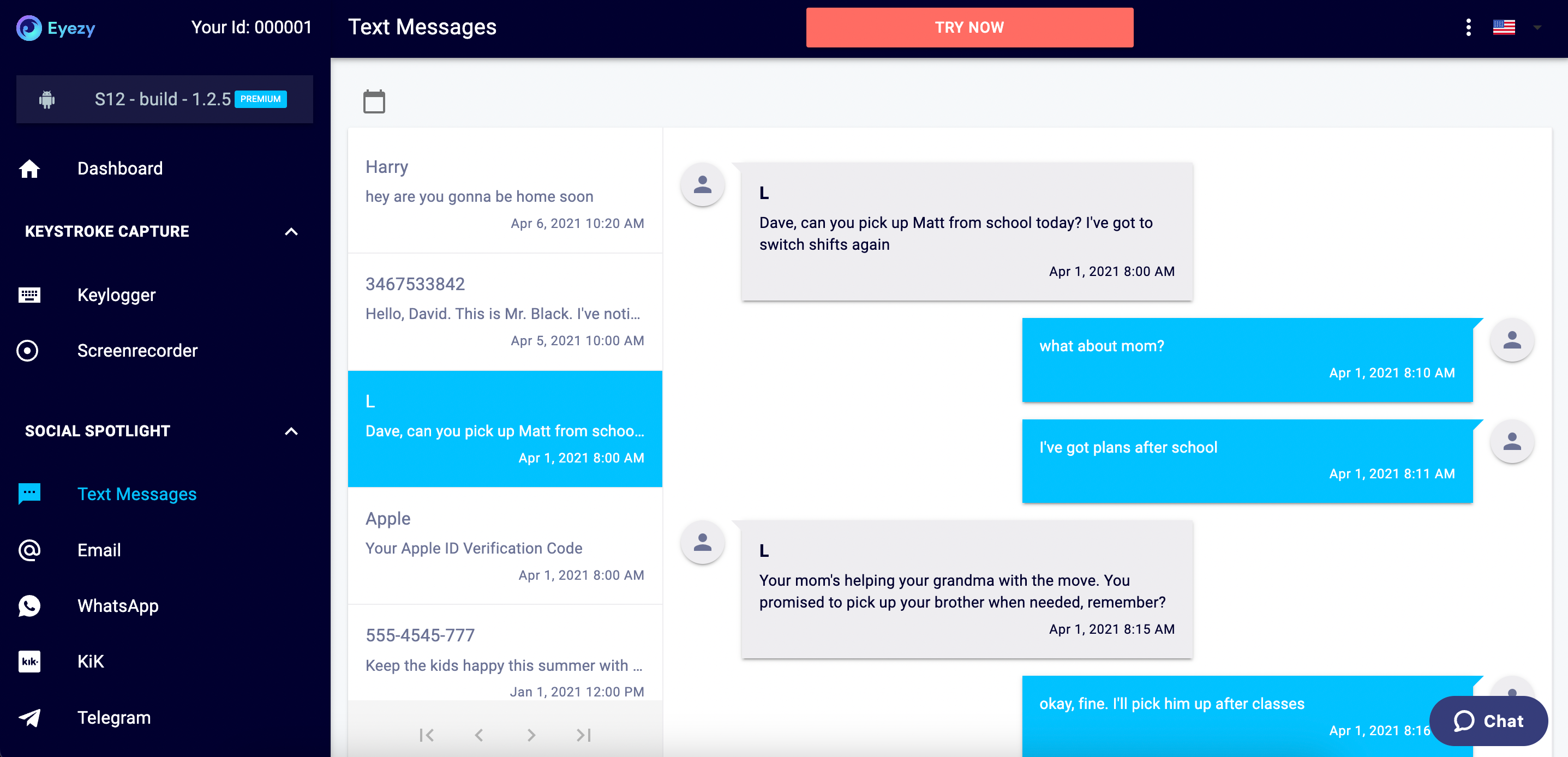
eyeZy is among the newer apps in the market, but that didn’t stop it from becoming one of the most popular. It offers all the fantastic features you’d expect, with some extras like screen recording, Wi-Fi monitoring, and keyword tracking.
eyeZy is very convenient, offering a clean dashboard and a nice feature layout showing all the target phone’s vital information. You can use it to monitor several aspects of cell phone activity. You can track incoming and outgoing calls, monitor call logs, browser history, and someone’s incoming and outgoing messages. You can also make unlimited geolocation requests.
This app works equally well on iPhone devices and Android phones and doesn’t require jailbreaking or rooting for the basic features.
Try nowuMobix
- Jailbreak/rooting required – No
- Free trial – No
- Refund policy – 14 days
Pros:
- Full access to phone number data: numbers, email addresses, photos, etc.
- Detailed call logs with timestamps and duration
- No-root Android keylogger
- IM monitoring of Facebook, WhatsApp, and Instagram
- Location tracker with routes and geographical coordinates
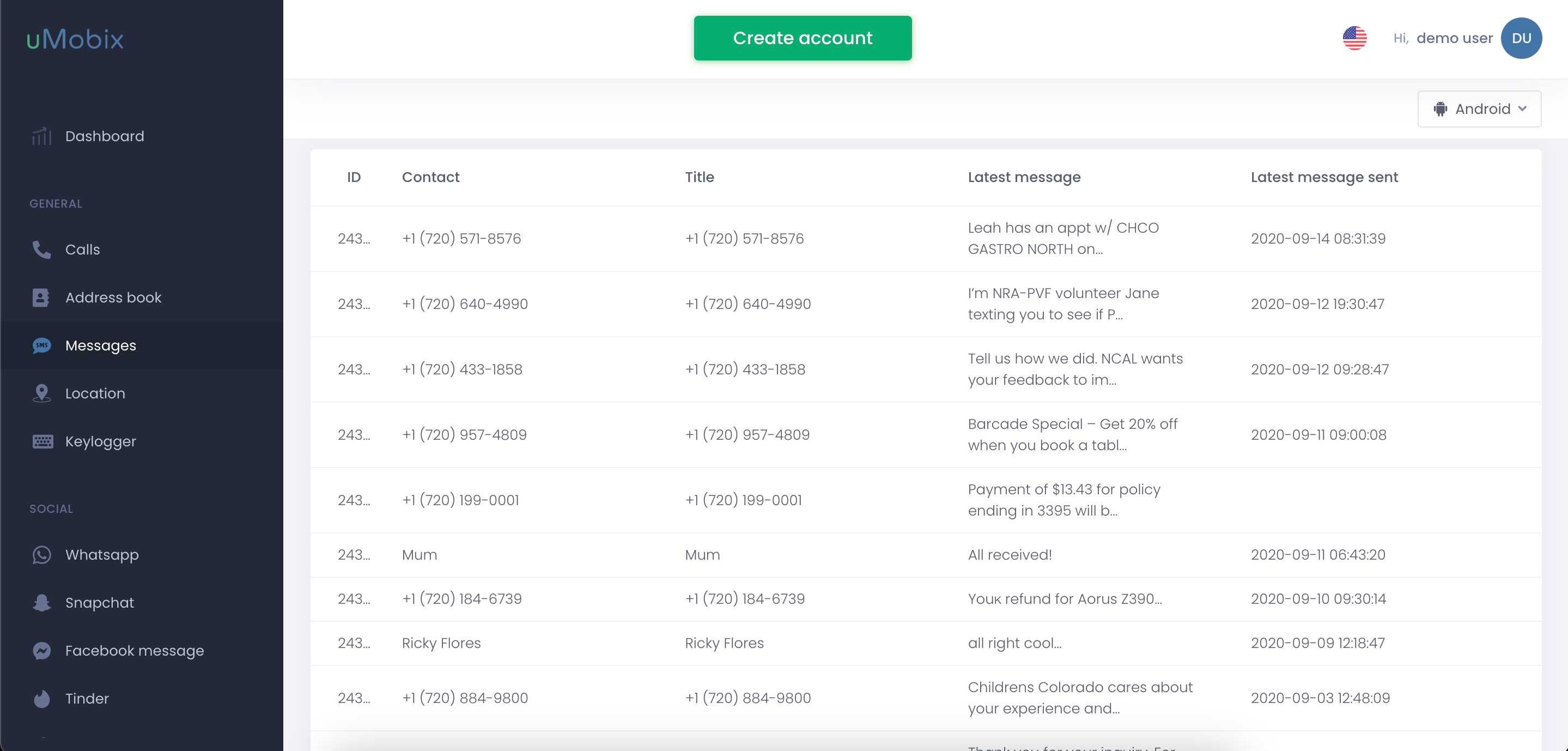
The uMobix app will enable you to protect your little ones online. The app takes only 5-15 minutes to install and will cost you less than $1 daily. With data updates happening every 5 minutes, you’ll constantly know what the target is doing.
uMobix offers several monitoring features with which you can track all cell phone activity. You can monitor incoming and outgoing calls, location history, web browser history, media files, social media applications, and more. This is a comprehensive parental control app with some of the most accurate features available today.
Try nowCocospy
- Jailbreak/rooting required
- Free trial – No
- Refund policy – 14 days
Pros:
- Tracking SIM location – a rare function among spy apps
- GPS tracking
- Spying on instant messengers without rooting Android
- Package for business – monitoring up to 25 devices at once
- Web history tracker with timestamps, bookmarks, site descriptions
- Spying on Instagram, Facebook, WhatsApp, and other chat apps
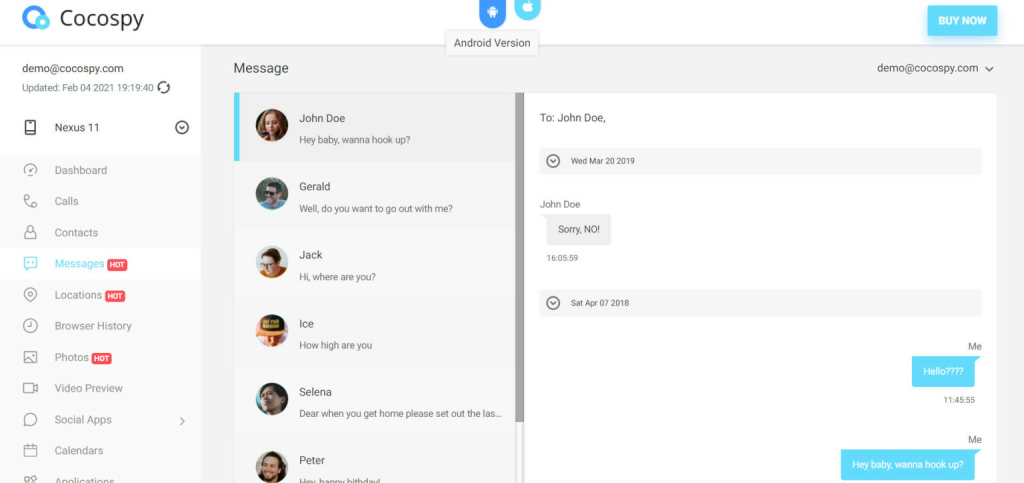
Cocospy is another fantastic and reliable parental control app that works on any targeted device, iOS or Android. It offers various accurate features that allow you to monitor incoming and outgoing calls, the target’s location history, call logs, social media accounts, browsing history, and more.
You can easily use this app to track someone’s phone without them knowing, as it always remains 100% undetectable on the targeted device. This makes it ideal for parents to track their children and monitor where they are at any given moment.
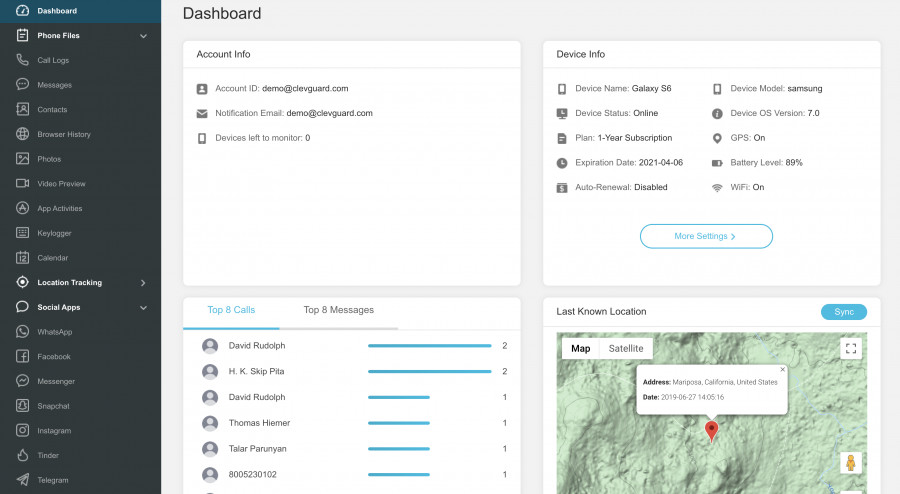
While Cocospy doesn’t offer a free trial, it comes with a demo on their website to see how the app collects data from the monitored phone and presents it through the dashboard.
Try nowKidsGuard
- Jailbreak/rooting required – No
- Free trial – No
- Refund policy – 30 days
Pros:
- Data Export
- Wi-Fi Logger
- Remote screenshots & photos
- Calls recording
- Timeline of all smartphone activities
KidsGuard is progressive mobile tracker software that regularly releases powerful upgrades and supports the newest versions of Android and iOS. This phone spy app offers all the features needed to monitor a target device comprehensively, regardless of the platform.
This app has several powerful features that allow you to monitor incoming and outgoing calls and track call logs, texts, browser history, social media, and more. It also comes with a highly accurate GPS tracker that offers geofencing. Other than these, this spy app also offers several remote features, such as the ability to take screenshots and photos and record phone calls.
Try nowFlexiSpy
- Jailbreak/rooting required – Yes, for Android and iOS
- Free trial – 24 hours
- Refund policy – Yes
Pros:
- Retrieve any needed password from a phone’s memory via Password Cracker
- Automatically delete texts with specified keywords
- Record and listen in on calls, and calls on social media
- Activate and control the targeted device’s built-in camera and microphone to monitor surroundings
- Send spoof SMS
- Use the GPS location tracker to get their real-time location
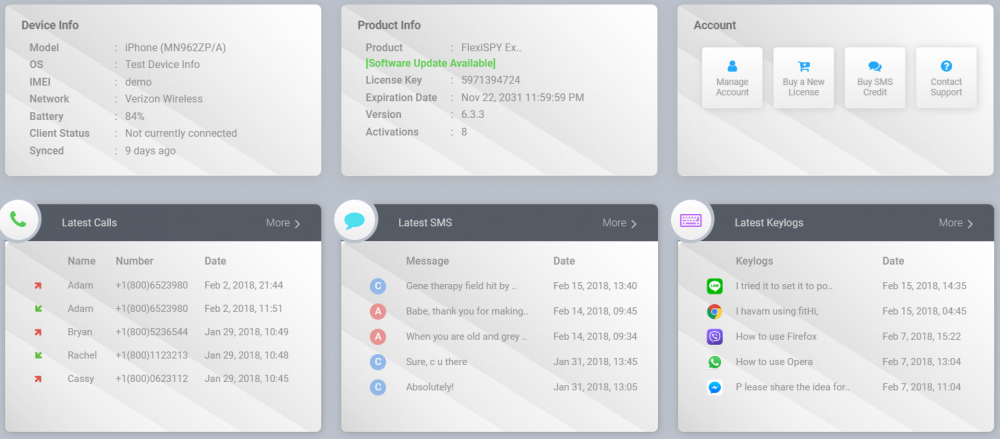
Among all the software for monitoring iOS and Android phones mentioned in this review, FlexiSpy is one of the best. FlexiSpy offers more features than any other product of its kind. It features the ability to capture: SMS, Photos, location tracking, Facebook, Instagram, Snapchat, Skype, etc.
Try nowYou can use this app to monitor iOS or Android mobile devices. These include remote features like ambient recording and others such as keylogging, geofencing, and sending spoof messages.
| App | Compatibility | Free Trial | Refund Policy | Demo |
|---|---|---|---|---|
| mSpy | Android, iOS | Yes | 14 days | Yes |
| Scannero | Android, iOS | Yes | 14 days | No |
| GeoFinder | Android, iOS | Yes | 14 days | No |
| SpyBubble | Android, iOS | No | 14 days | No |
| eyeZy | Android, iOS | No | 14 days | Yes |
How to Choose the Right Phone Tracker App?
Since the market is oversaturated with various secret tracking apps, it’s understandable that you might be a bit confused about what to look for. Since many tools offer similar features, you must go beyond the service to find the perfect fit. Our experts have tested each app and created a list of the best ones. These are the best phone tracker apps without permission:
Researchers at VPNWelt claim that a lot of marketed software is dangerous and can infect your phone. For those reasons, it’s essential to take your time to research before purchasing anything. Here are the most important things to consider when choosing a suitable app to track a phone.
Mobile Tracker Compatibility
First, you must define whether you’ll use the app to spy on someone’s phone or a PC. Regarding compatibility with desktop devices, the best software options are compatible with Windows and macOS systems. Regarding phones, the usual compatibility requirements include Android or iOS systems.
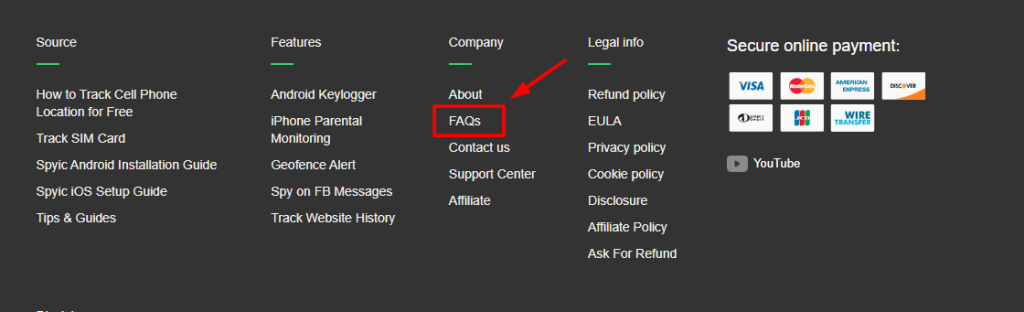
That said, not all tracking services are compatible with all platforms. For example, some apps don’t work on iOS, while Spyic doesn’t work on computers. As a general rule, always navigate to the company’s FAQ section and check the compatibility tab. You can usually find the FAQs in the footer of the website (see the image below):
Ease of Use
This is another crucial aspect to consider, especially if you’re not that tech-savvy. While most apps for tracking phones offer similar features, they certainly don’t provide the same user interface designs. However, there’s a way to test the software before purchasing it.
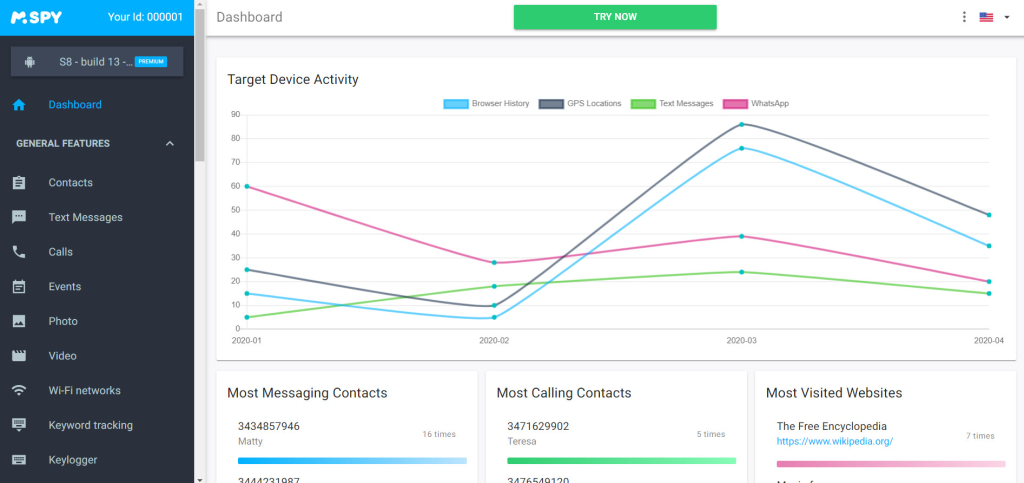
Most applications offer a free demo on their homepage. By choosing that option, you will see a simulated version of the software, including the layout, features, options, settings, etc.
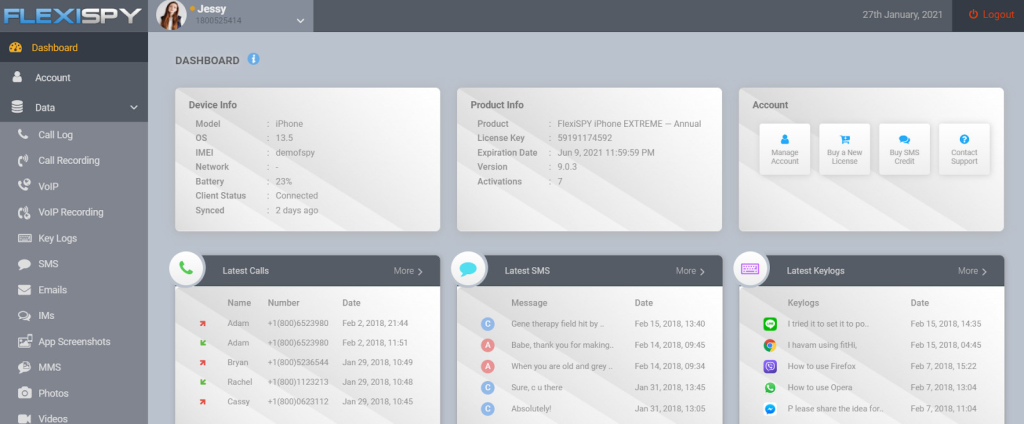
As you can see, mSpy, for example, offers a very clean and easy-to-use interface. You can choose the operating system version on the top and check all user activity on the left side of the screen.
FlexiSPY, on the other hand, offers a messier design that is not as suitable for novice technology users. Our clients with no prior experience have reported that FlexiSPY’s interface is confusing because it contains many unknown terms and unfamiliar settings.
Advanced users, on the other hand, have reported that FlexiSPY is their favorite precisely because it’s so technical. That is why it’s essential to test the software prior to finalizing your purchase.
Rooting/Jailbreaking
This can be a dealbreaker for many users because rooting and jailbreaking are aggressive activities that can harm the target device and lead to data loss. Nearly all new appliances are un-rooted/non-jailbroken because this increases the device’s security. When you root or jailbreak a machine, you’re removing certain restrictions and gaining total control over the device and software.
You should avoid rooting and jailbreaking unless you know exactly what you’re doing. Unfortunately, many spy apps require you to root or jailbreak the target phone in order to perform advanced monitoring activities. However, many also offer specialized versions that allow you to track the phone without having to root/jailbreak it.
Well, you see, if you’re a jealous spouse, you might be in the market for apps to read SMS messages, screen and call recorders, or spy on WhatsApp – then Cocospy is an excellent choice. Similarly, different apps suit different purposes, so you must research them thoroughly before purchasing a subscription.
Customer Support
Having good customer service distinguishes subpar services from superior ones. We recommend looking for live chat customer support or 24/7 customer service. Check online review outlets to see other customers’ complaints and overall customer service experience.
How Does a Tracker App Work?
To learn how free best apps for iPhone and Android work, we will take mSpy as an example. This excellent phone monitoring app lets you track and monitor any target device. The process is usually straightforward, and most iPhone and Android spy apps require you to perform similar steps. Here’s what you should do:
Step 1: Go to mSpy’s website and click the Try Now option.
Step 2: Sign up for an account.
Step 3: Choose your device.
Step 4: Choose a subscription plan.
Step 5: Sign in to your new account.
Step 6: Follow the instructions and set up the app.
So, regardless of whether you’d like to spy on a boyfriend’s smartphone, your kids’ online activities, or monitor employees, these are the most important things to look for in this software.
How to Find an App?
Many users believe that free mobile applications exist, and they can sign up and start tracking a phone’s location and activities. However, this is not the case. Most “free” websites are scams designed to steal personal information.
The best way to track a phone is to use an affordable mobile tracker service like the ones we review on this website. These services offer a free trial, so you can test them before committing to a subscription.
Do Phone Trackers Work?
While several apps are available, not all are reliable and safe. The best-paid apps offer features such as a demo or a free trial.
Our online security team tested this spyware personally, taking extensive customer reviews into account. A critical analysis of the software features shows they offer impressive features that work flawlessly.
These program suits have features and functions that distinguish them from the wide variety of similar spy apps – we picked the cream of the crop for you. Look no further; choose any of these advanced phone trackers and enjoy a new level of spying experience.